Skip to content

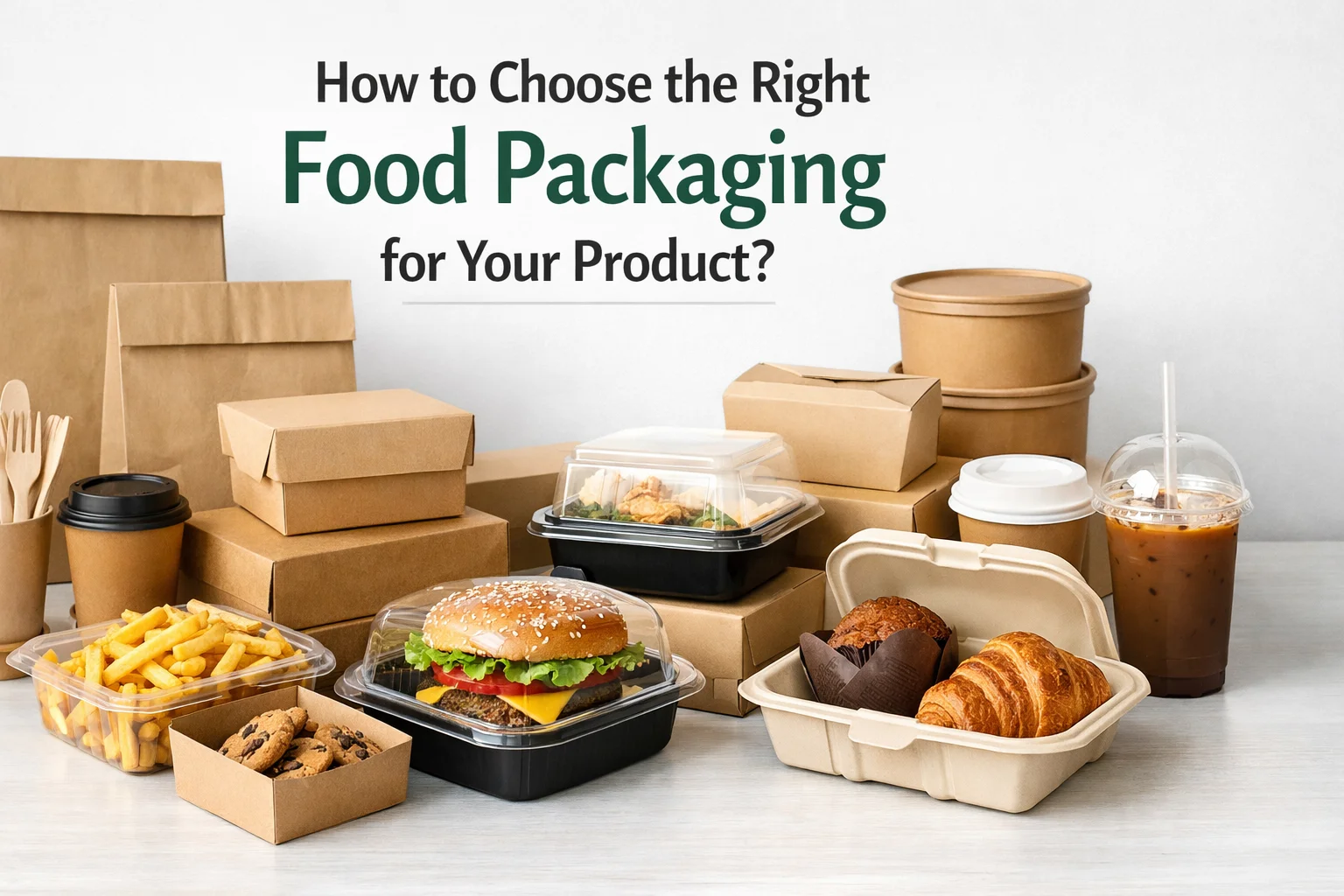
In 2026, selecting food packaging is no longer just a design choice. It is a critical financial and legal move. With the full implementation of the European Union PPWR 2026 and new global Extended Producer Responsibility (EPR) laws, your material choice directly impacts your taxes. Governments now use “eco-modulated fees.” This means brands using non-recyclable plastics pay higher penalties, while those using FSC-certified paperboard or Bagasse enjoy lower costs.
At Packaging House US, we help you navigate these rules while protecting your bottom line. This guide ensures your selection is compliant, cost-effective, and consumer-friendly.
1- Regulation-Based Packaging Plan
Before selecting the packaging style and aesthetic look, it is important to understand the government standard for the material list. The Food and Drug Administration (FDA) standards ensure food safety. ERP laws focus on the end of the life of your box. If your packaging material is non-recyclable, then you pay more.
Nowadays, Modern brands use Digital Product Passport (DPP) via QR codes in custom food packaging boxes. These codes tell consumers where the material came from and how to recycle it. So eco-conscious brands use FSC-certified material and reduce waste. It also proves that your brand takes traceability and transparency seriously.
2- Match Your Material to Your Food Type
Every food item requires different protection and safety measures. If you choose the wrong material, it can affect your food presentation. In 2026, we utilize advanced polymer plant fibers to replace traditional plastics. See the table below to find the right material match for your product.
| Food Type | Best 2026 Material | Key Benefit |
| Hot Takeaway | Bagasse (Sugarcane Fiber) | Heat-resistant and home compostable. |
| Greasy Foods | Aqueous-Coated Cardstock | Plastic-free barrier against oils. |
| Frozen Goods | HMS-PP (High Melt Strength) | Remains flexible and strong at sub-zero temperatures. |
| Dry Snacks | FSC-Certified Paperboard | Lightweight and 100% recyclable. |
For specific food packaging, like custom burger boxes or custom snack boxes, grease-resistant and aqueous-coated material is essential. We make boxes that keep structural integrity at high heat and steam.
3- Tackle Food and Trash Waste Together
Your packaging must stop food waste and minimize solid waste at the same time. Here is how packaging solves these two waste problems.
Preventing Food Waste
Advanced technology, like Modified Atmosphere Packaging (MAP) and oxygen scavengers, keeps products fresh for longer. This ensures your food item stays fresh for a long time and results in fewer returns from the stores.
Preventing Solid Waste
Using mono-materials makes recycling easy. When a box is 100% paper, the consumer doesn’t have to guess. They just place the box in the recycling bin.
4- Structural Integrity and Size Optimization
Shipping costs depend on size, not just weight. Dimensional Weight (DIM) optimization reduces the use of too much space. A box that is too large requires extra void fill, but a right-sized box helps you avoid paying for air.
If you use custom gable boxes for meal kits, ensure the height matches the contents. We design precise box sizes that fit your product well and keep it safe. This also helps you save space in shipping and on retail shelves.
5- Create a Premium Unboxing Feel
Your packaging is the first thing a customer feels about your brand. A high-quality unboxing experience encourages people to share it on social media.
Key features that make unboxing memorable:
- Texture: Soft-touch finishes or embossed logos make it feel premium.
- Clarity: Die-cut windows let customers see the product inside.
- Ease of Use: Tear strips or easy-open tabs make it simple to open.
If your box is hard to open and looks cheap, it can ruin the perceived value of the food inside. Use custom boxes with logo to make your brand more visible.
6- Technical Aspects to Know Before Sourcing
Before finalizing your order, keep these technical standards in mind:
- ECT Rating: Use at least 32 ECT for stacked retail displays.
- Caliper Options: Choose thicknesses from 14pt to 24pt for folding cartons.
- Ink Safety: We use soy – based inks to prevent odor transfer.
- Sustainable Materials: Look for FSC-certified paper and PFAS-free, water-based coatings.
- Regulatory Compliance: Minimize packaging weight to meet EPR recycling requirements.
Final Checklist for Selection
Before placing your order, ask these four questions:
- Does this material satisfy the latest PPWR and EPR laws?
- Is the barrier sufficient for my product’s moisture and oil content?
- Is the size optimized to reduce DIM shipping costs?
- Does the design enhance the unboxing experience?
Partner with Packaging House US
Choosing food packaging in 2026 requires a balance of chemistry, law, and art. By focusing on bagasse, aqueous coatings, and EPR compliance, you shield your business from fines and your products from damage. Our experts will help you design a sustainable, compliant, and beautiful package that fits your product perfectly. Let’s create something that stands out on the shelf and respects the planet. Contact Packaging House US at +1 409-995-3955 today to get your free quote.